Provision of Emergency WASH, Shelter, and Non-Food Items (NFIs) for the Conflict-Displaced Households in Erer Woreda, Sitti Zone, Somali Region
ENDED
Project goal
To provide improved access to emergency shelter, NFIs, WASH, and Camp Coordination and Camp Management (CCCM) services for the most vulnerable IDPs and returnees in Erer Woreda.
Project duration
Start:
2024-08-01
End:
2024-12-31
Project location
Asbuli and Aska IDP camps, Erer Woreda, Somali Region, Ethiopia
Target beneficiaries
2,000 households (10,000 beneficiaries)
Reached beneficiaries
2,000 households (10,000 individuals), including 5,600 women and 4,400 men (300 households received Disability and Inclusion Kits (DI Kits))
Donors
- IOM's RRFE with funding from USAID/BHA
Partners
- Somali Regional Bureau of Disaster Risk Management
- Erer Woreda DRM Office
- Erer Woreda Water Bureau
- Local community stakeholders
Achievements
- Shelter and Non-Food Items (NFIs):
- Distributed emergency shelter kits and NFIs to 1,900 households, providing essential materials for 10,000 individuals. 225 households with people with disabilities received specialized Disability and Inclusion NFI Kits.
- Trained local foremen to construct dome-shaped shelters, prioritizing vulnerable groups including child-headed households and the elderly.
- Conducted a Post-Distribution Monitoring (PDM) survey to assess the quality and satisfaction of beneficiaries.
- Camp Coordination and Camp Management (CCCM):
- Established a demographic database for 10,000 individuals, enhancing service provision.
- Held regular meetings with stakeholders to improve coordination and information management.
- Facilitated monthly coordination meetings among government and humanitarian partners, leading to more effective and unified responses.
- Developed standardized messages and FAQs to streamline communication between service providers and the community.
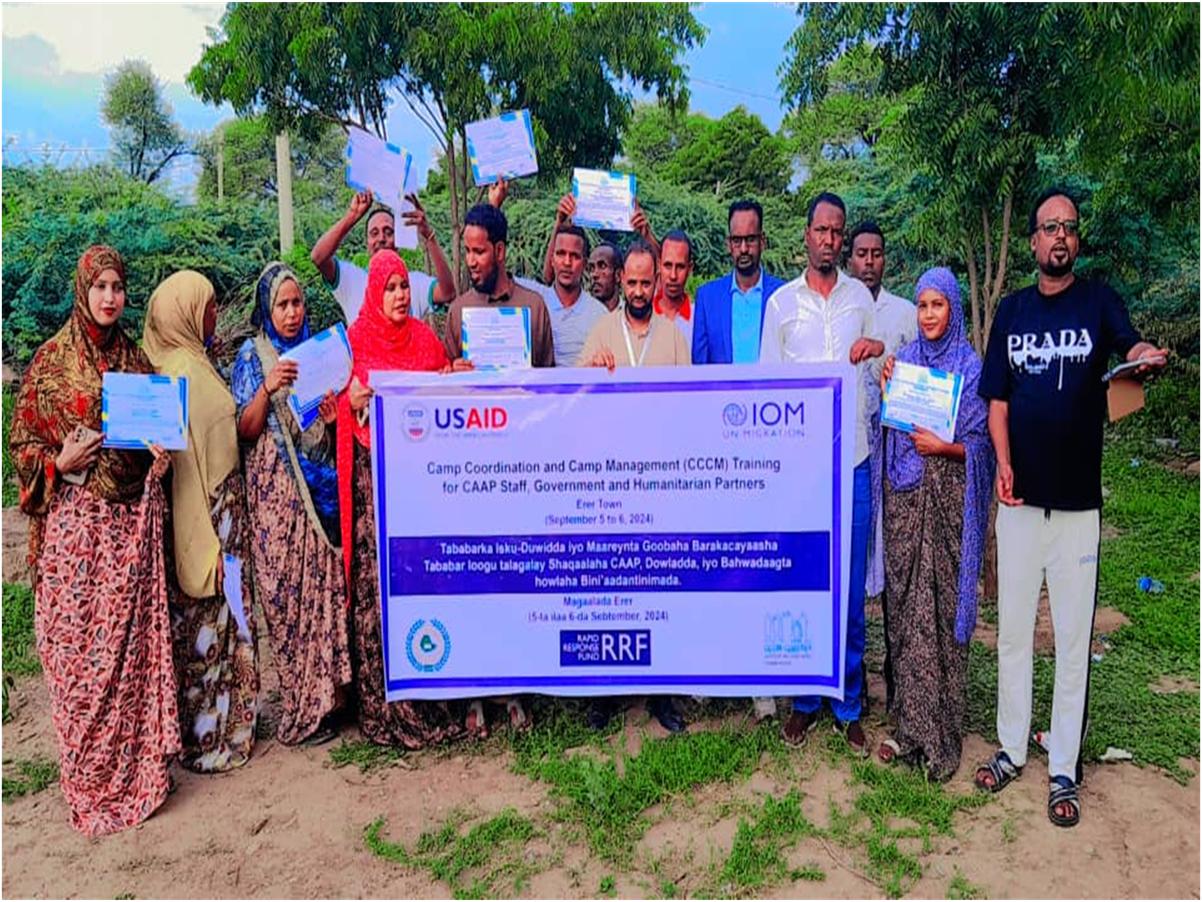
- Trained 46 camp management committee members (19 women and 27 men) on camp management and protection mainstreaming, fostering inclusive decision-making and leadership.
- Set up a Community Feedback Mechanism (CFM), handling 500 cases to ensure accountability and responsiveness.
- Invested in community leadership structures, providing training for 120 community-based committees on WASH, health, nutrition, and education.
- Water, Sanitation, and Hygiene (WASH):
- Regularly monitored water quality, ensuring compliance with WHO standards for 8,360 individuals.
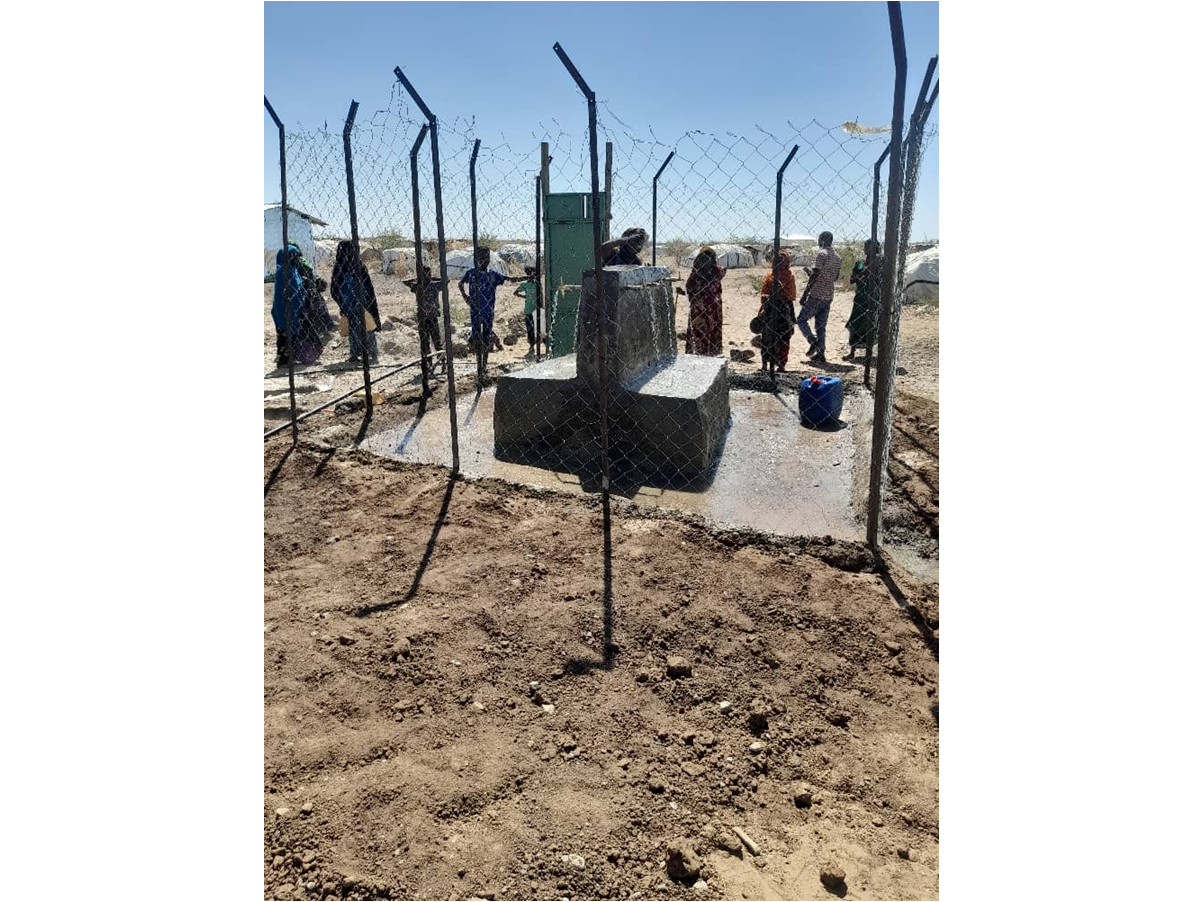
- Extended 1.8 km of water pipelines, adding 3 new water points to improve access for 8,360 individuals.
- 14 Water, Sanitation, and Hygiene Committees (WASHCOs) were trained in maintenance and operation of the water scheme.
- Constructed 8 blocks of gender-segregated latrines (32 stances) for 1,600 individuals and distributed latrine cleaning kits to local WASH committees.
- Developed and distributed 150 culturally appropriate IEC materials to promote hygiene and sanitation practices.
- Trained 20 hygiene promoters (10 women and 10 men) to promote key hygiene practices.
- Conducted hygiene promotion campaigns and mass mobilization efforts, reaching 10,000 individuals to improve knowledge and behavior regarding safe water storage and handwashing.
- Distributed WASH NFIs (jerry cans, washing basins, soap) to 2,000 households, enhancing hygiene practices and reducing disease risk.
- Provided women’s clothing items, including underwear and sheety/drya cloth, to 3,000 women and girls, ensuring dignity and improved personal hygiene.
Impact
The integrated response in WASH, shelter, NFIs, and CCCM effectively addressed the immediate needs of the target population while establishing a foundation for long-term community resilience. Through capacity-building, community engagement, and sustainable service delivery, the project demonstrated best practices in humanitarian response, promoting both life-saving aid and long-term solutions in Erer Woreda.
PDM Survey Findings:
- 98% of respondents were aware of and believed the selection criteria were fair.
- 100% were satisfied with the items and the quality of the distribution process.
- All respondents confirmed receiving shelter and NFIs as needed, addressing their urgent ES/NFI needs effectively.
- 99% agreed the distribution times and locations were convenient.
- 97% were aware of the fair selection criteria.
- 95% were satisfied with the quality of the assistance provided.
- 77% reported improved ability to prepare food due to better household and shelter items.
- 99% regularly cleaned water containers and had knowledge of cholera prevention measures.
-
-
Contact person
-